
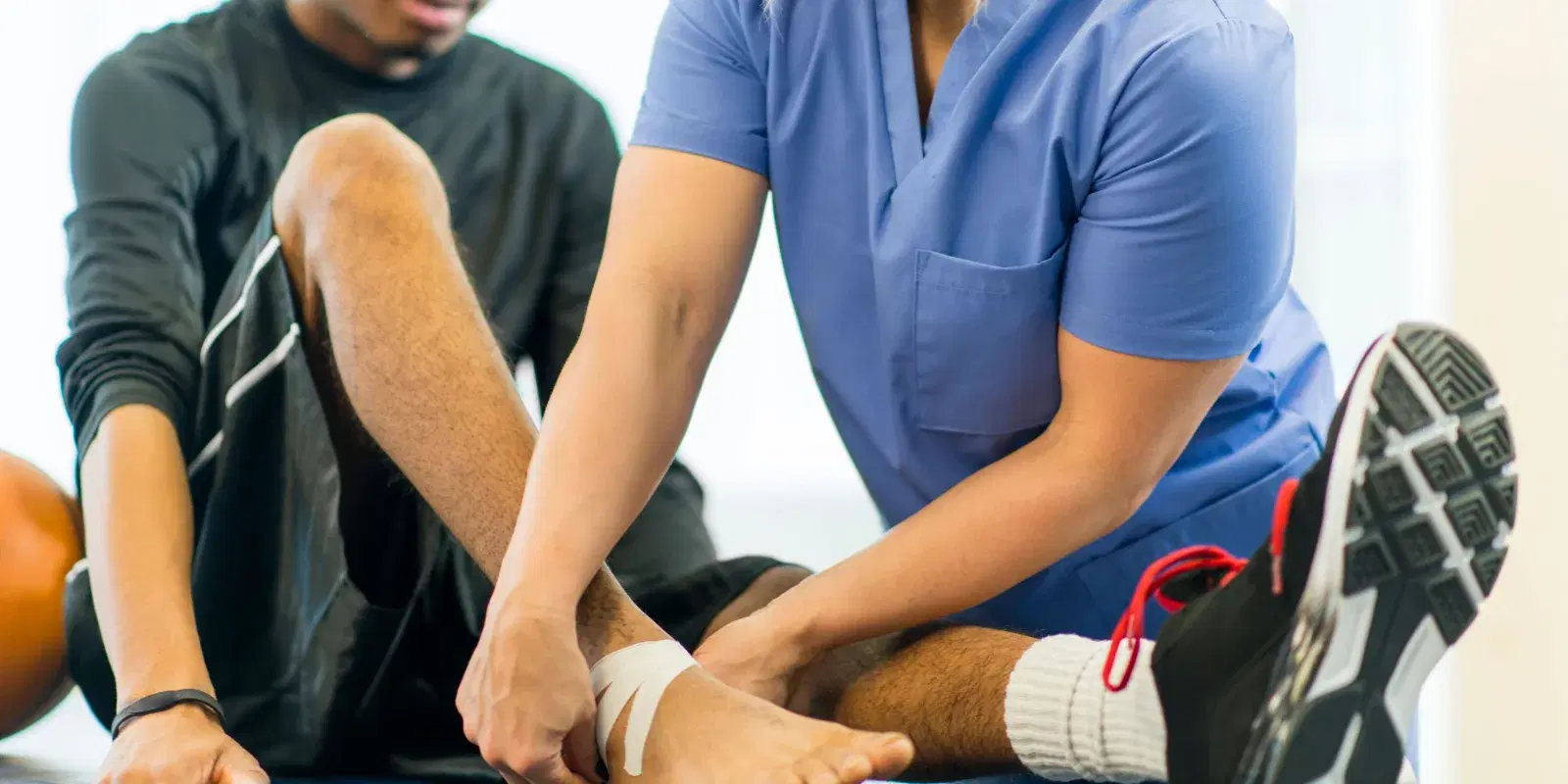
Clearing an injured athlete to compete is a hard call. Send them back too soon and they re-injure. Hold them too long and they lose a season. Markerless movement analysis gives sports medicine teams objective data for that decision, and the technology has matured fast.
Where traditional assessments fall short
Marker-based motion capture meant suits, sensors, and lab time. The setup was uncomfortable, ate hours, and the markers themselves interfered with natural motion. Strength tests are quicker but miss the biomechanical detail, so a rehab team can clear an athlete whose movement remains compromised, or delay one who is ready.

What markerless analysis measures
Computer vision algorithms track key points on the athlete's body and rebuild the movement in 3D, a digital avatar that mirrors their actions in real time. Take a soccer player coming back from a hamstring injury. A strength test says the muscle can produce force. Markerless analysis evaluates the movements the sport demands:
- How the player runs
- How they cut and change direction
- How they decelerate
Deficits show up in the data, and the rehab program targets them instead of following a generic timeline.
Monitoring across the whole rehab
The analysis repeats as often as you want, so practitioners track movement quality through each phase of recovery. The athlete meets the return criteria and comes back with mechanics tuned to lower the risk of re-injury, not with a cleared strength test and unexamined movement patterns.

Removing the cost barrier
Not long ago these systems demanded heavy investment in equipment and staff time, and for most coaches the return was not worth the cost. Demotu runs the same analysis from a phone camera, no markers and no lab, so a return-to-play assessment fits inside a normal training session.