Book a 1-on-1 consultation with our teamBook a Demo →
3D Movement Analysis

A New Way to
Understand Movement

Most coaches assess movement by watching athletes perform exercises. But mobility restrictions, stability issues, and compensations often happen too quickly to catch — especially across multiple joints at once.

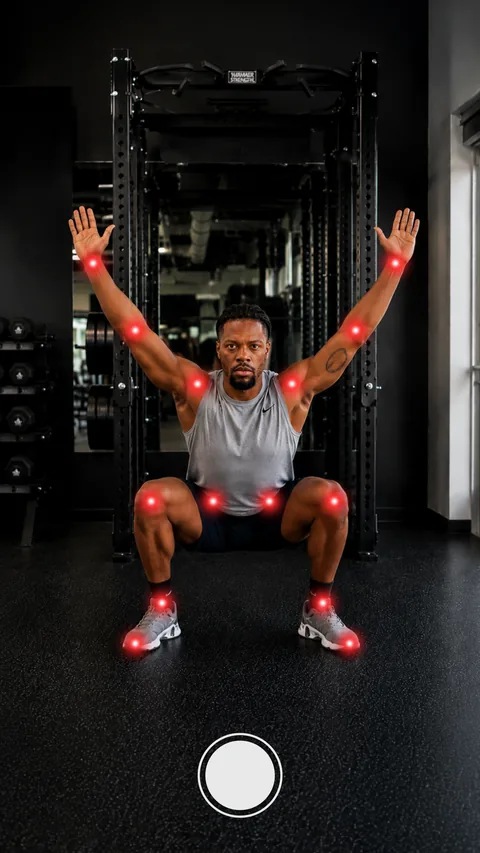
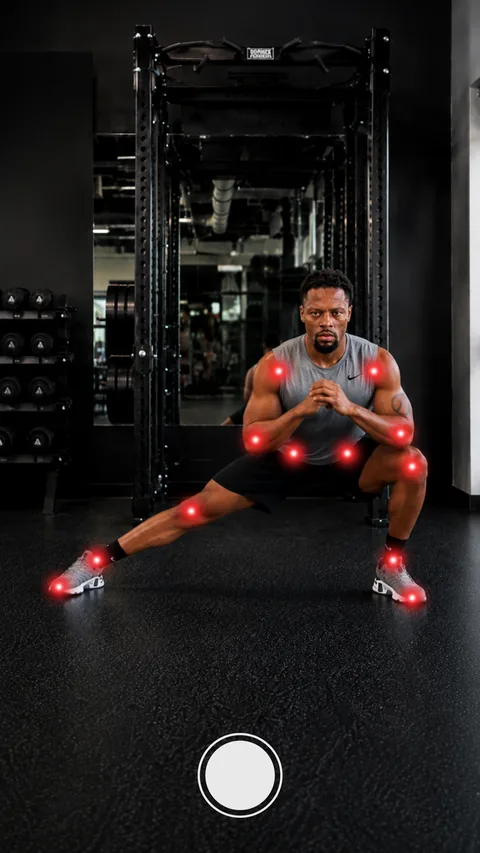
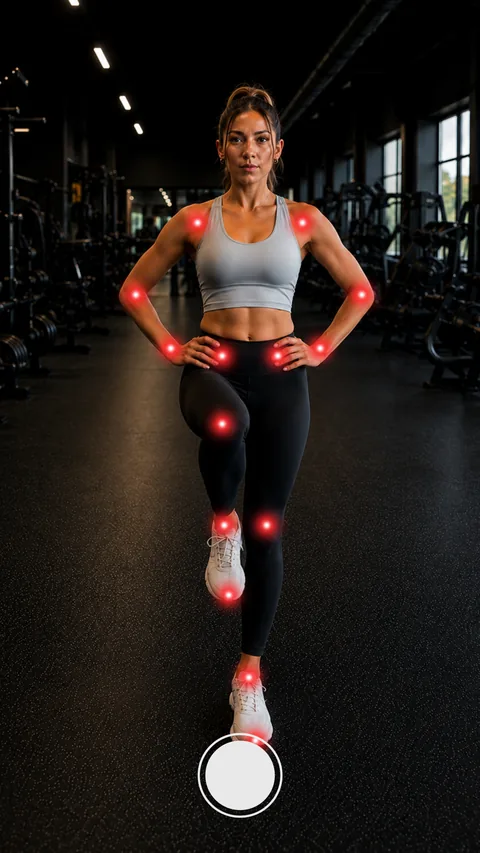
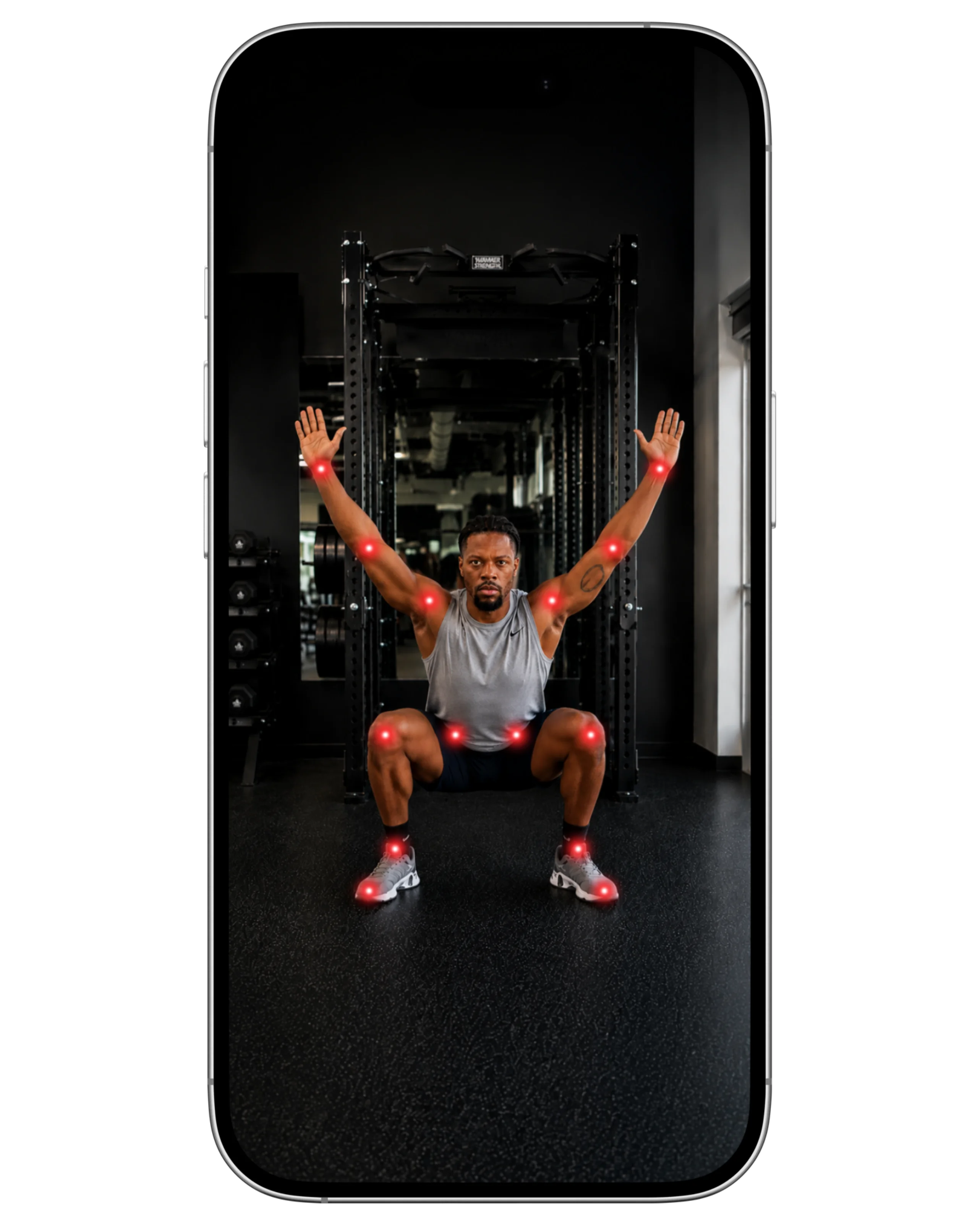
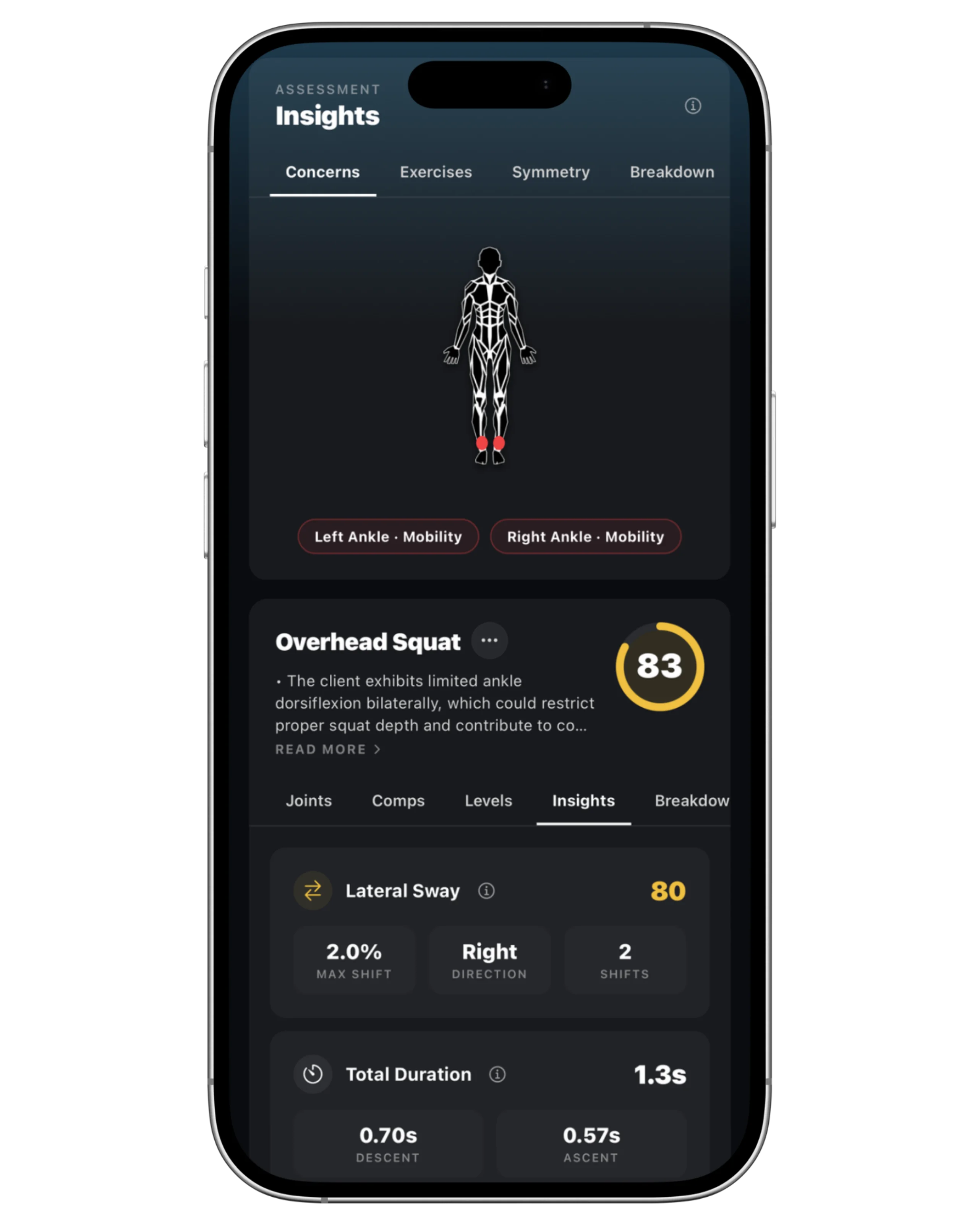
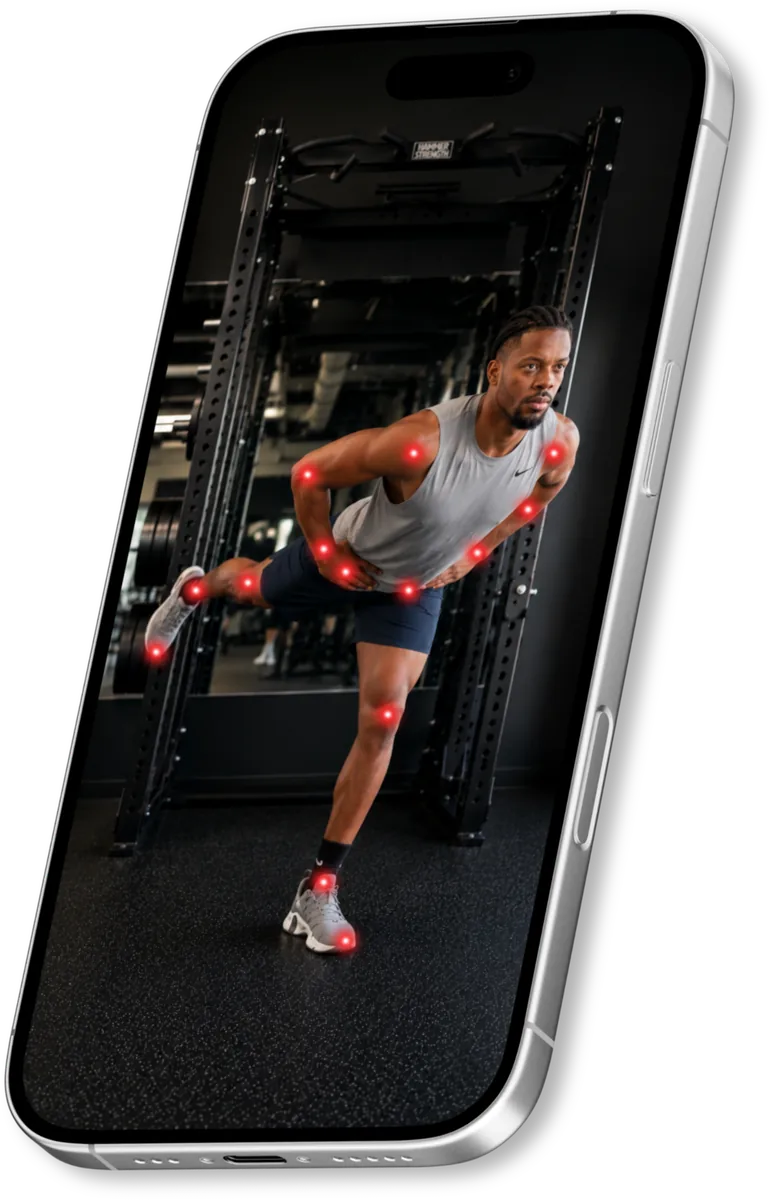
Demotu turns your phone into a 3D movement analysis system that evaluates how every major joint moves during an exercise. In seconds, you can identify the limitations affecting performance and understand exactly what an athlete needs to improve.

Stop Guessing. Start Measuring.

Instead of guessing what's wrong with an athlete's movement, you can see it clearly, coach with confidence, and turn assessments into high-value consultations that close more clients.

Assessments

Evaluate the Movements That Matter Most

Demotu analyzes the foundational movement patterns that drive fitness, athletic performance, and injury resilience.

Power & Explosiveness
Assess jump mechanics, force production, and landing control. Identify opportunities to improve vertical jump performance and reduce lower-body injury risk.
LEARN MORE
Mobility & Stability
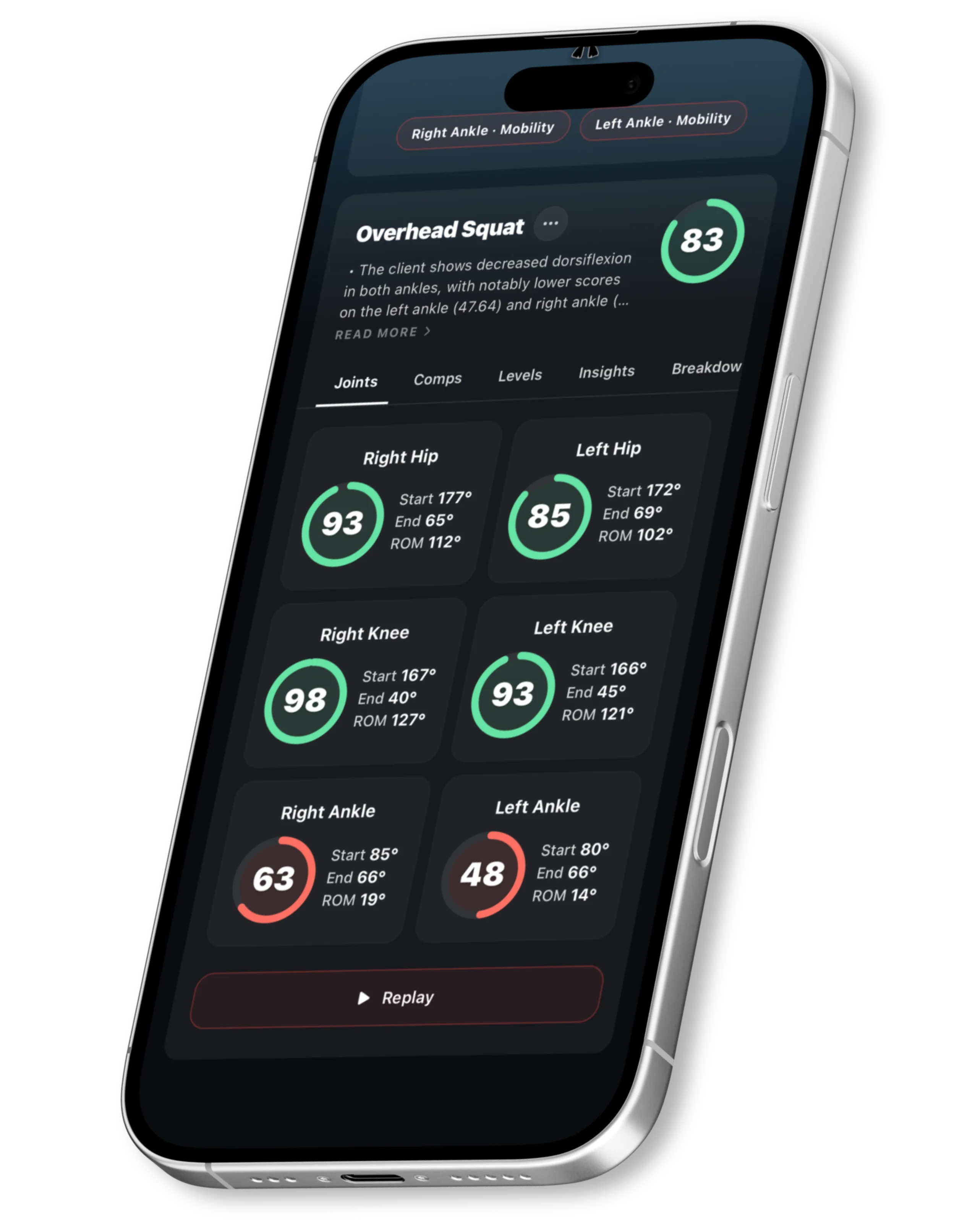
Analyze overhead squat patterns to uncover mobility restrictions and stability limitations affecting movement quality.
LEARN MORE
Balance & Control
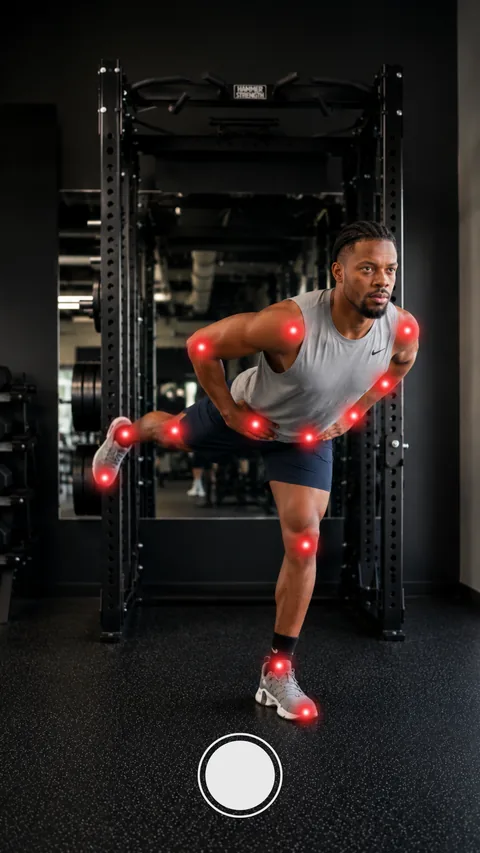
Evaluate single-leg stability and core control — essential for injury prevention and functional strength.
LEARN MORE
Multi-Planar Movement
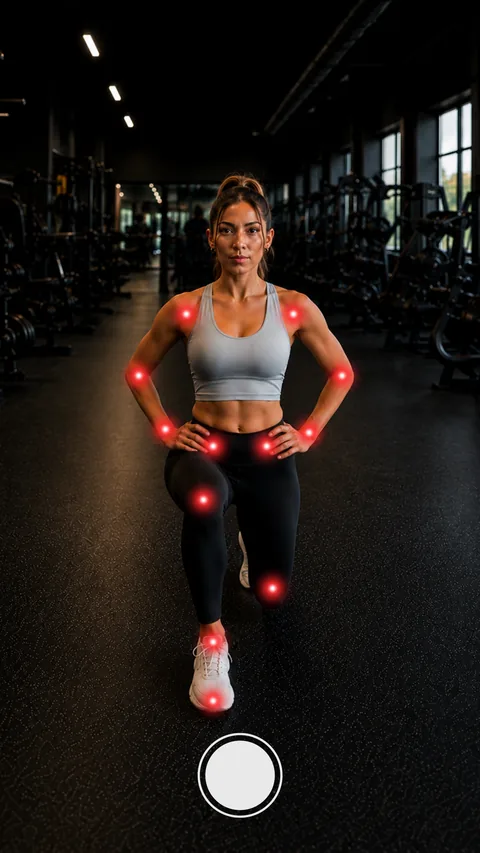
Analyze movement across multiple planes using lateral and reverse lunges. Critical for sport performance and real-world movement demands.
LEARN MORE
Posterior Chain Mechanics
Assess hip hinge patterns and posterior chain activation — the foundation for deadlifts, kettlebell swings, and power development.
LEARN MORE
Upper Body Function
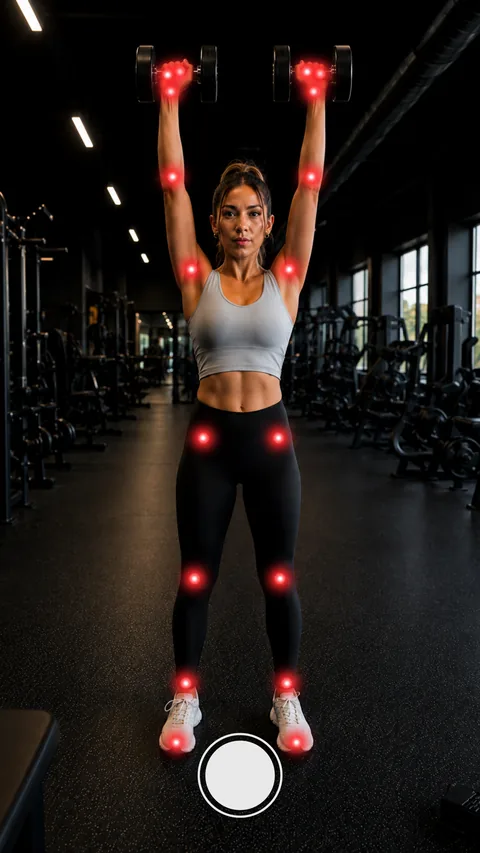
Evaluate overhead pressing mechanics and shoulder mobility to support safe and effective upper-body training.
LEARN MORE
Borelli AI

Turn Movement Data Into Coaching Insight

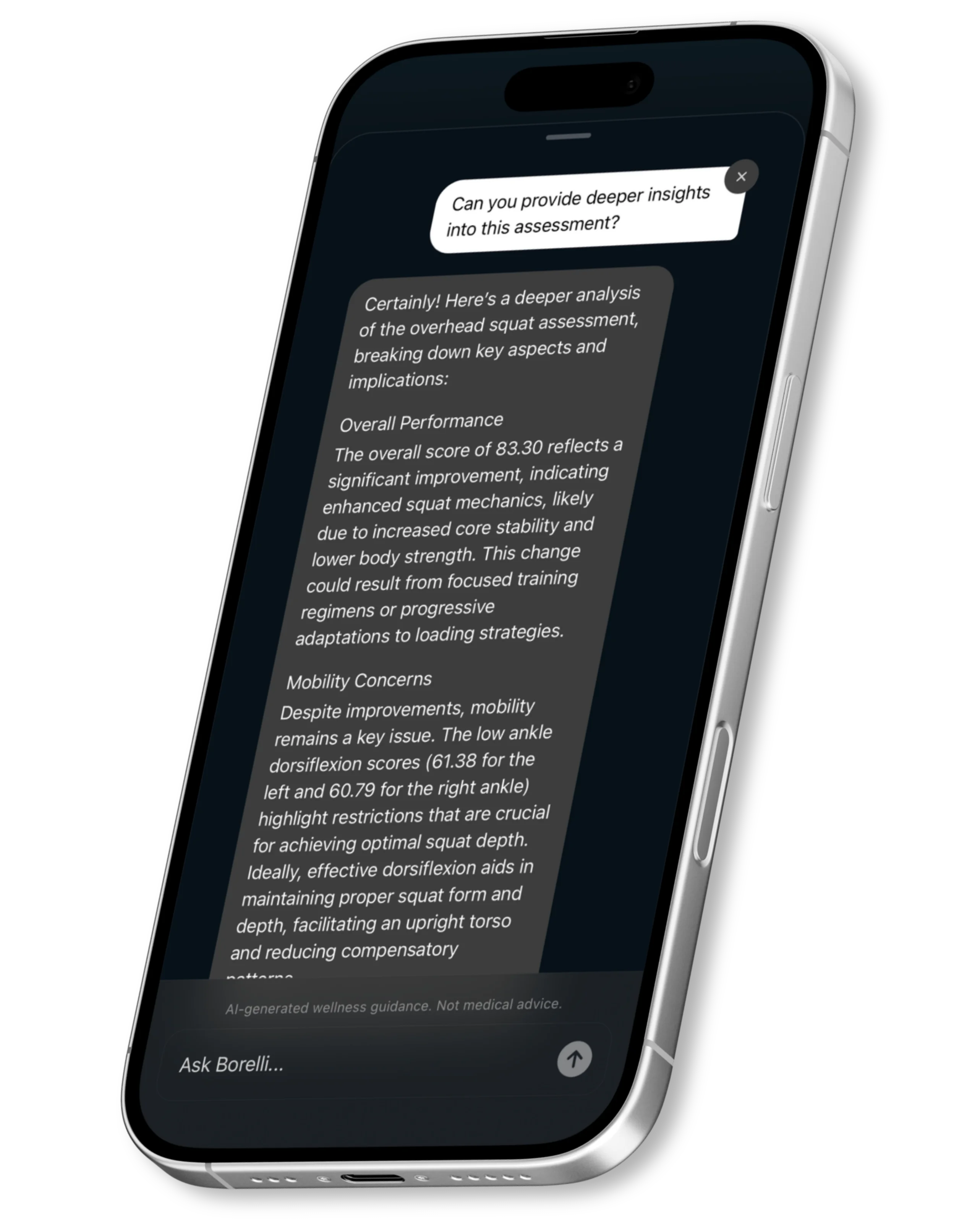
Movement analysis becomes powerful when it drives better coaching decisions. Demotu converts biomechanical data into clear insights coaches can act on immediately.

These insights allow coaches to build programs that address the root cause of movement issues — not just the symptoms.

Jordan Ramirez
Jordan Ramirez
Age 20 • Improve acceleration & reduce hamstring tightness
Completed
Movement Analysis
75Overall
82
Jump
68
Squat
74
RDL
65
Balance
71
Lunge
78
Hinge
Borelli AI Analysis

Jordan's movement scan shows strong explosive potential with above-average jump (82) and hinge mechanics (78), indicating solid posterior chain capacity and power production. However, moderate limitations in squat (68), balance (65), and lunge stability (71) suggest reduced single-leg control and force transfer during multi-joint lower body movements.

click below
Consultations

Turn Assessments Into High-Value Consultations

The most successful coaches don't just deliver workouts — they diagnose problems. Demotu transforms movement assessments into data-driven consultations that immediately show clients and athletes where their limitations are and what needs to improve.

Instead of relying on subjective observation, trainers and coaches can present clear movement insights backed by biomechanical analysis.This positions you as an expert, builds trust instantly, and makes it easier for your athletes to commit to training.

Why Coaches Use Movement Analysis
FAQ

Frequently Asked Questions

Everything you need to know about Demotu's 3D movement analysis, how it works, and how trainers and coaches use it to deliver better training and close more clients.

How does Demotu’s 3D movement analysis work?

Demotu uses advanced computer vision to analyze athlete movement using just a phone camera.

When a coach records an assessment, the system tracks how each major joint moves throughout the exercise and evaluates mobility, stability, and movement quality across the entire kinetic chain.

Within seconds, coaches receive a detailed biomechanical analysis that highlights movement limitations and performance opportunities.

Do I need sensors, markers, or wearable devices?

No.

Demotu uses markerless motion capture, which means movement assessments are captured using only a phone camera. There are no sensors, markers, or wearable devices required.

This allows coaches to run assessments anywhere — in the gym, on the field, or during consultations.

How long does a movement assessment take?

Most movement assessments take less than a minute to record.

Once the movement is captured, Demotu processes the data and generates a full biomechanical analysis in under 60 seconds, allowing coaches to quickly move from assessment to coaching.

What types of movements can be analyzed?

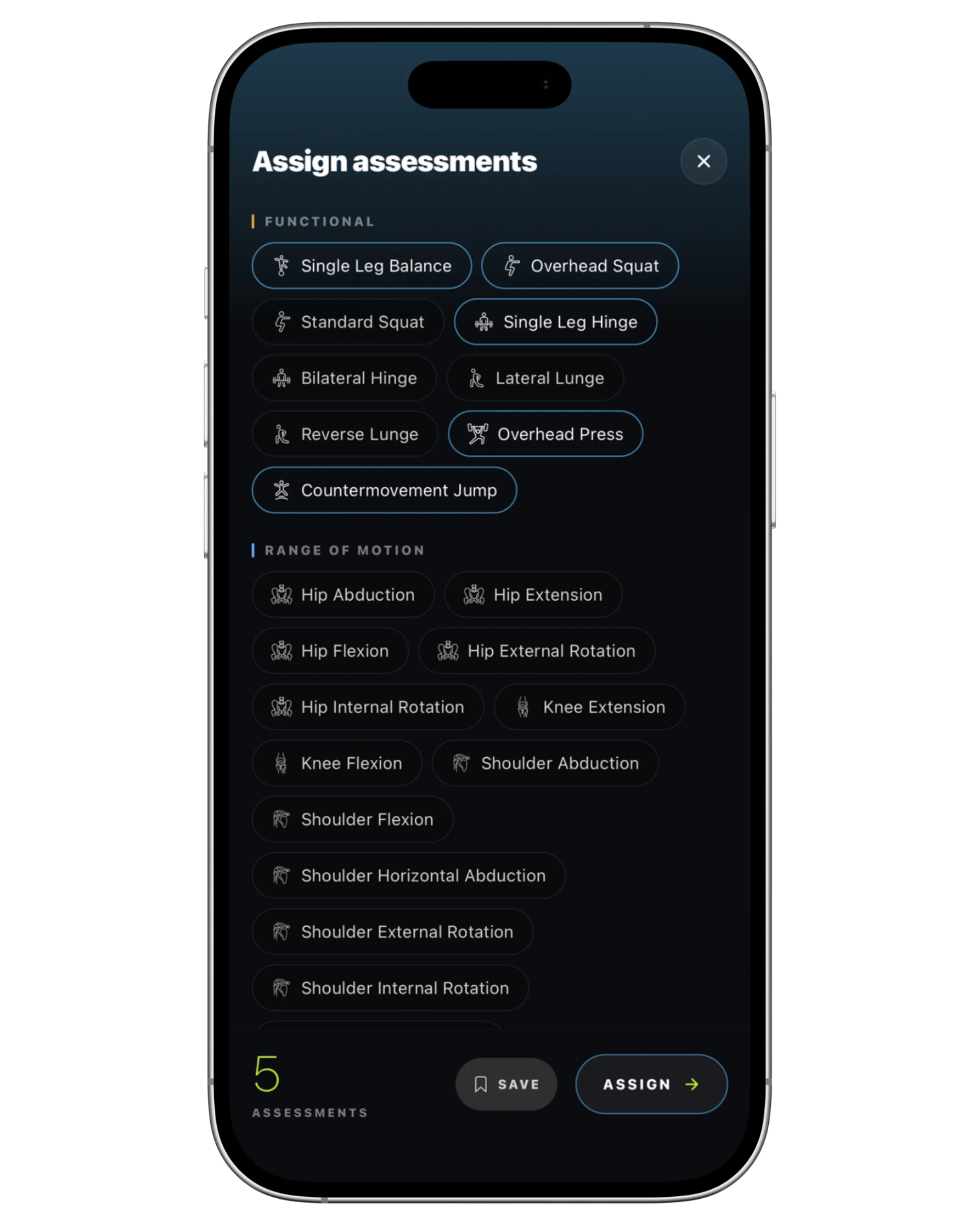
Demotu analyzes foundational movement patterns that drive performance and injury resilience, including:

  • Jump mechanics and force production
  • Overhead squat mobility and stability
  • Single-leg balance and control
  • Lateral and multi-planar movement
  • Posterior chain hinge mechanics
  • Upper-body pressing mechanics

These movements provide a comprehensive view of how athletes move and where improvements are needed.

What kind of insights does the analysis provide?

The platform evaluates how joints move throughout each assessment and identifies mobility limitations, stability deficits, asymmetries, and movement inefficiencies.

These insights help coaches understand why a movement issue exists, allowing them to build programs that address the root cause.

How does Borelli AI use movement data?

Borelli AI analyzes movement assessments alongside athlete goals, training history, and other performance inputs to generate actionable coaching insights.

It translates biomechanical signals into clear recommendations and can generate personalized workouts or training blocks designed to improve the limitations identified in the assessment.

Do I need a background in biomechanics to use Demotu?

No.

Demotu translates complex biomechanical data into clear, coach-friendly insights that trainers can immediately apply to programming and coaching decisions.

Can I track athlete progress over time?

Yes.

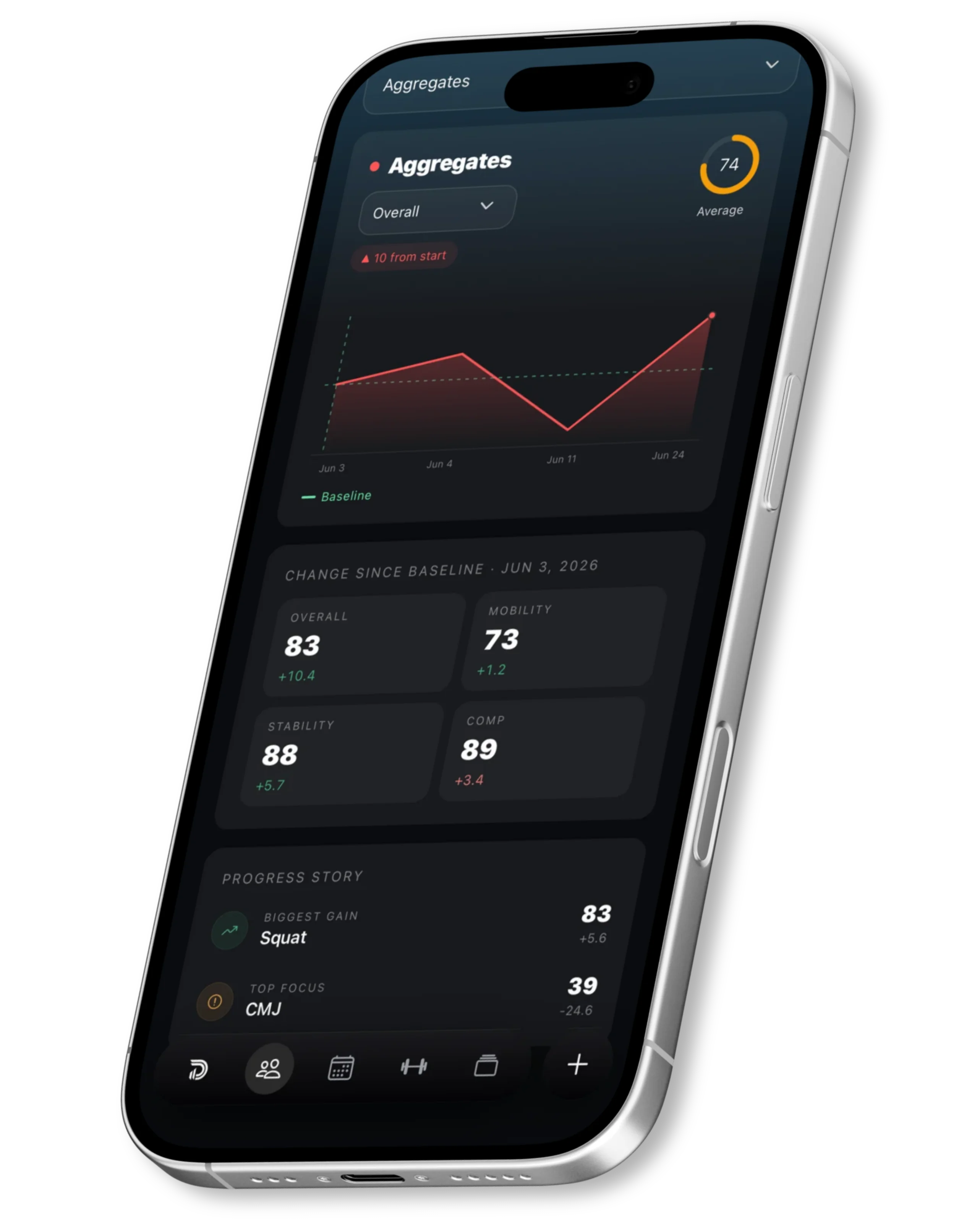
Coaches can run movement assessments repeatedly and track how an athlete's movement improves over time. This allows trainers to measure progress and demonstrate the impact of their training programs.

Can movement analysis help with consultations?

Yes.

Movement analysis transforms consultations into data-driven coaching sessions. When athletes can see exactly how their body moves and what may be limiting their performance, the value of coaching becomes clear.

Many trainers use movement assessments as part of their client onboarding process.

How does this help me get more clients?

When athletes can see objective insights into their movement, coaching becomes easier to justify.

Movement assessments help trainers demonstrate expertise, build trust quickly, and increase consultation-to-client conversion rates.

Is movement analysis only useful for elite athletes?

No.

Movement analysis benefits clients at every level of fitness, from general population clients to elite athletes.

Understanding movement quality helps coaches design safer, more effective training programs regardless of the athlete's goals.

How quickly can I start using movement analysis?

Most coaches can run their first movement assessment within minutes of creating an account.

Simply select an assessment, record the movement with your phone, and Demotu automatically generates the analysis.

Ready To Get Started?

Experience how Demotu turns your phone into a powerful 3D movement analysis system.

Run movement assessments in seconds, uncover the limitations affecting performance, and generate smarter training programs powered by real movement data.

See how coaches are using Demotu to deliver better assessments, build better programs, and close more clients.