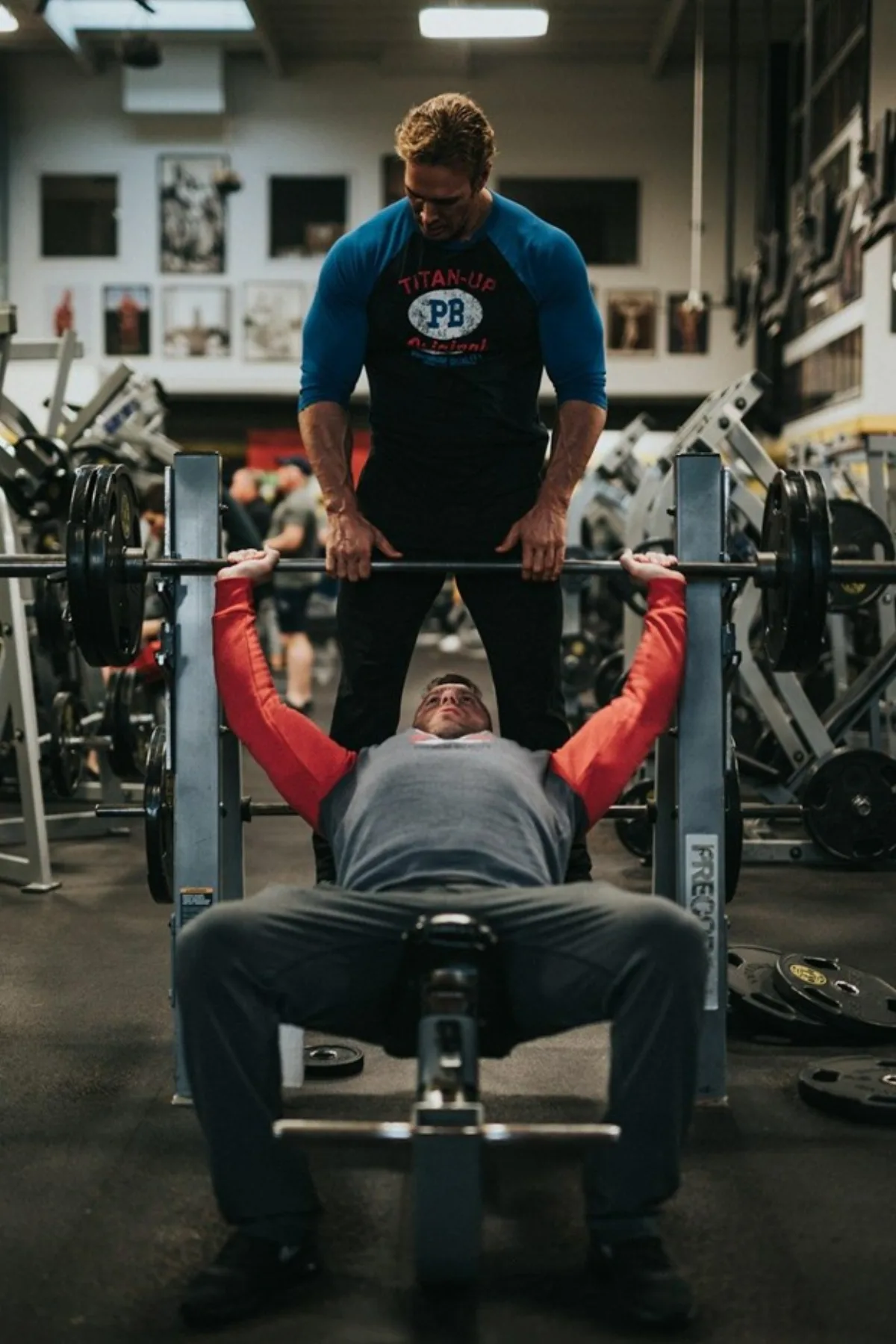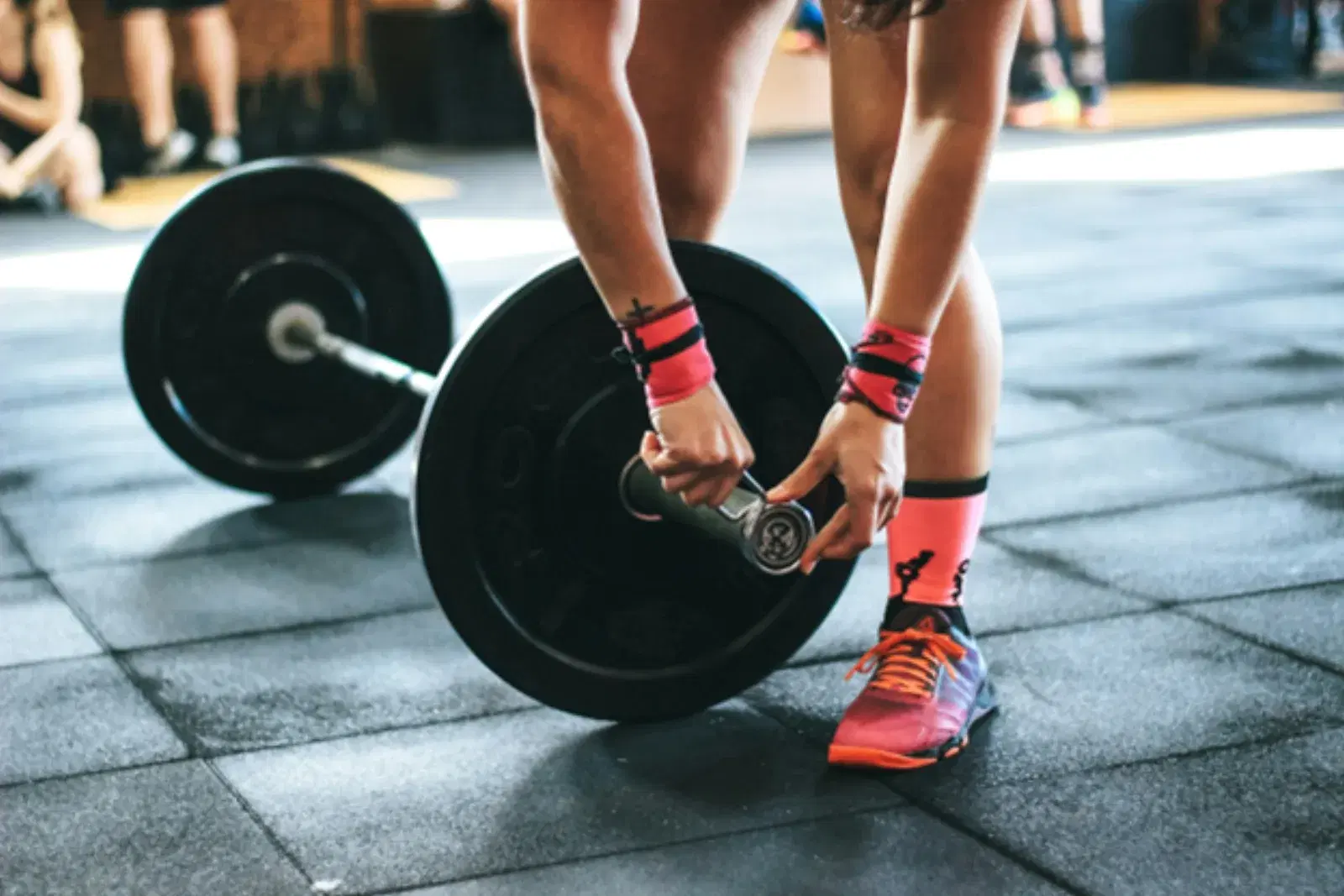
Lifting heavier is the default measure of progress in strength training. Movement efficiency decides whether that added load builds strength or grinds joints. Progressive overload still works, but biomechanics determines whether an athlete can handle the heavier weight without compensations that stall progress and cause injury.
Where technique beats load
Consider a deadlift. Subtle changes in hip positioning or bar path can separate stagnation from a new PR. A lifter who fails at lockout may have plenty of strength and a poor starting position, or inefficient force application. Squat mechanics work the same way: compensations under load stress the knees and lower back, capping progress while raising injury risk.
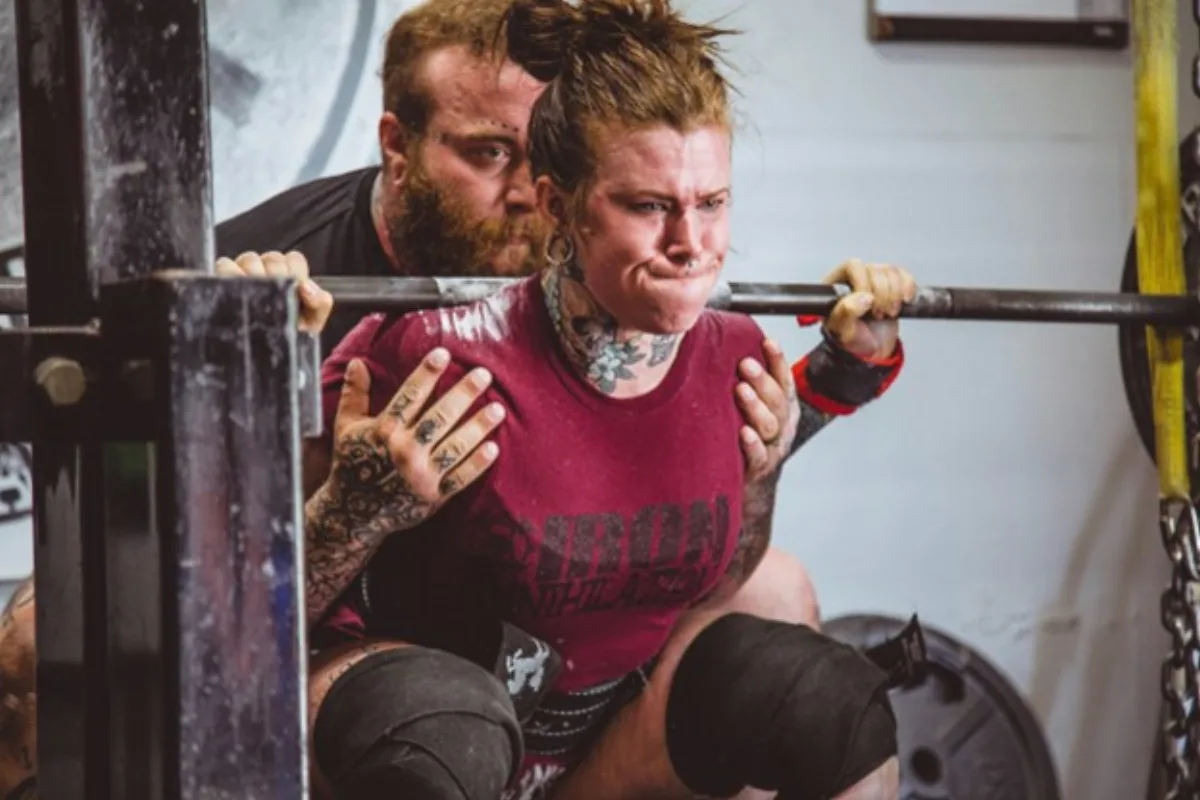
Chronic joint pain and recurring muscle strains often trace back to mechanics the lifter never sees. Catch those inefficiencies before they compound and you extend a training career instead of managing setbacks.
What assessment adds
Biomechanical assessment tools replace guesswork with measurement. Motion capture systems, force plates, and wearable sensors surface problems a coach's eye can miss:
- Left-right asymmetries
- Improper force distribution through a lift
- Joint stability issues under load
With that data, coaches prescribe targeted adjustments instead of generic cues, and lifters make informed changes that raise both output and longevity. Movement quality and strength development stop competing for attention; training the two together lets athletes push harder and recover faster.
Assessing lifters in Demotu
Demotu analyzes overhead squat biomechanics from a phone camera, scores movement efficiency, and generates corrective exercises matched to the deficiencies it finds. Those correctives import into the workout builder, so the fix lands in the next program rather than a note that gets forgotten.