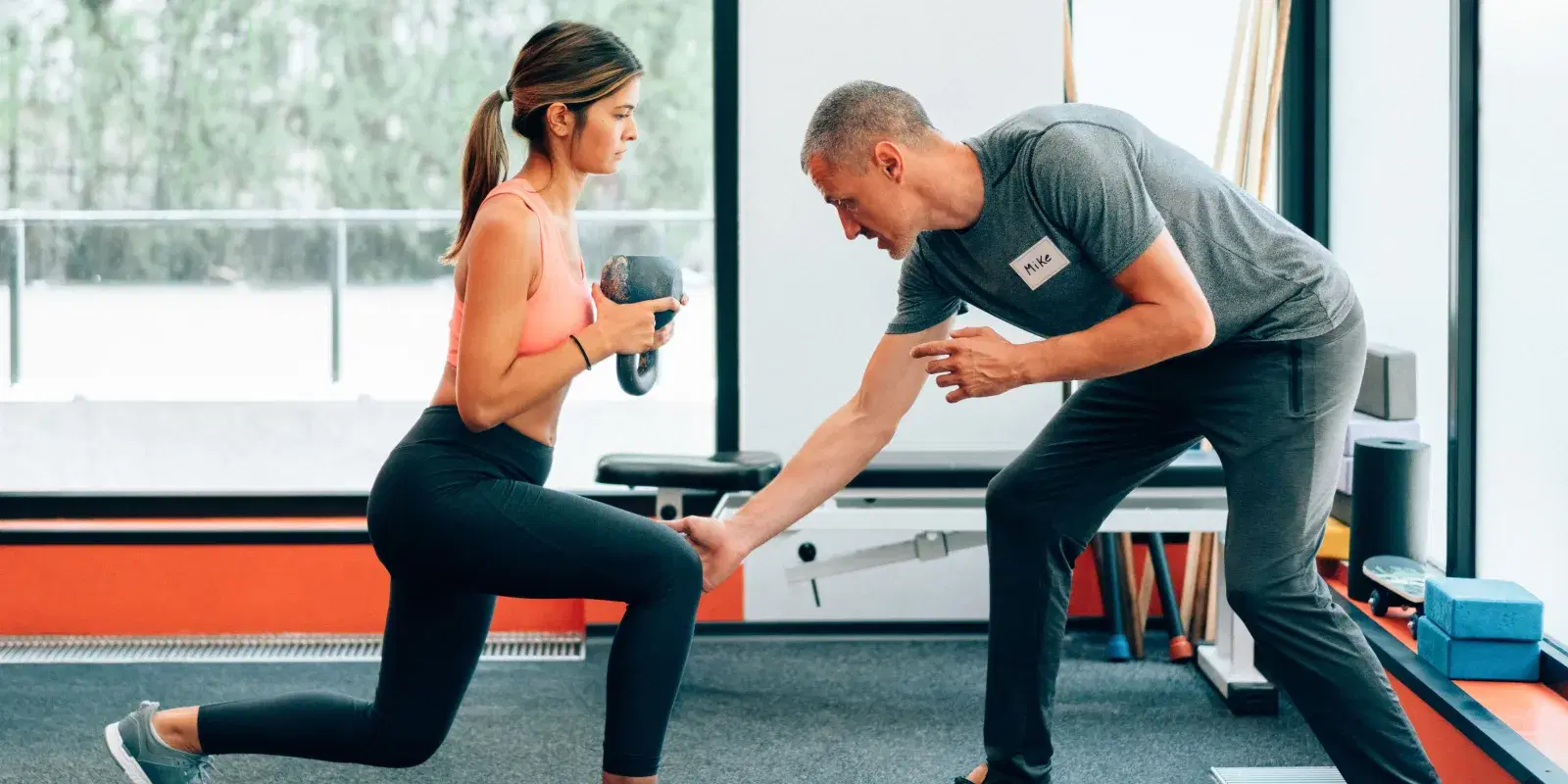
An athlete leaving surgery needs more than healed tissue. They need to move like an athlete again, and static evaluations can't tell you whether that has happened. Movement assessments watch the athlete in motion and give rehab specialists the data to plan the road back.
Three things an assessment tells you
- Baseline function. An early assessment shows what sport-specific motions the athlete can and cannot execute, which anchors the whole rehab plan.
- Imbalances. Surgery introduces asymmetries. Assessments pinpoint the weaknesses so specialists can target them with specific exercises before they cause the next injury.
- Readiness to return. The assessment gauges whether the athlete can meet the demands of their sport, which healing alone doesn't guarantee.

From baseline to return
Rehab specialists use the assessment data to build progressive plans. Foundational movements come first, then sport-specific exercises layer in as the numbers improve, so the return to performance follows evidence instead of a calendar. Weaknesses found in the assessment guide targeted strength work on the specific muscle imbalances left by surgery.
Late-stage rehab simulates the sport itself. Exercises tailored to the sport's demands bridge the gap between recovery and performance, and repeated assessments confirm the athlete handles them. Focusing on the identified weak links also protects the athlete long term, since the plan addresses root causes rather than symptoms.
The data doubles as a communication tool. An athlete who can see their own movement capabilities understands the plan and works with the specialist instead of pushing against the timeline.
Measuring rehab progress with Demotu
Demotu runs movement assessments from a phone camera, so a rehab specialist can capture joint angles, asymmetries, and movement quality at each stage without lab equipment. Comparing sessions over time shows whether the surgical side is closing the gap on the healthy side.