

How an athlete lands can decide how long they stay in their sport. In basketball, soccer, volleyball, and track, an athlete who lands stiff or shallow at the knee sends force into joints instead of muscle. Repeat that thousands of times and ligaments and cartilage wear down, ending in ACL tears, ankle sprains, and chronic joint problems.
What good landing mechanics look like
Research shows that knee angles greater than 45 degrees during landing help dissipate impact forces, letting the quadriceps, hamstrings, and glutes absorb the shock instead of the knee joint and its ligaments. Foot position matters as much:
- Feet about shoulder-width apart and aligned, so forces distribute across both legs
- Toes pointing forward, reducing the risk of ankle rolls
- A stable core, so one side of the body never takes the whole load
An athlete who lands with feet too close together, or with weight shifted to one leg, overloads one side, and over time that builds muscle imbalances and compensation patterns that erode performance.
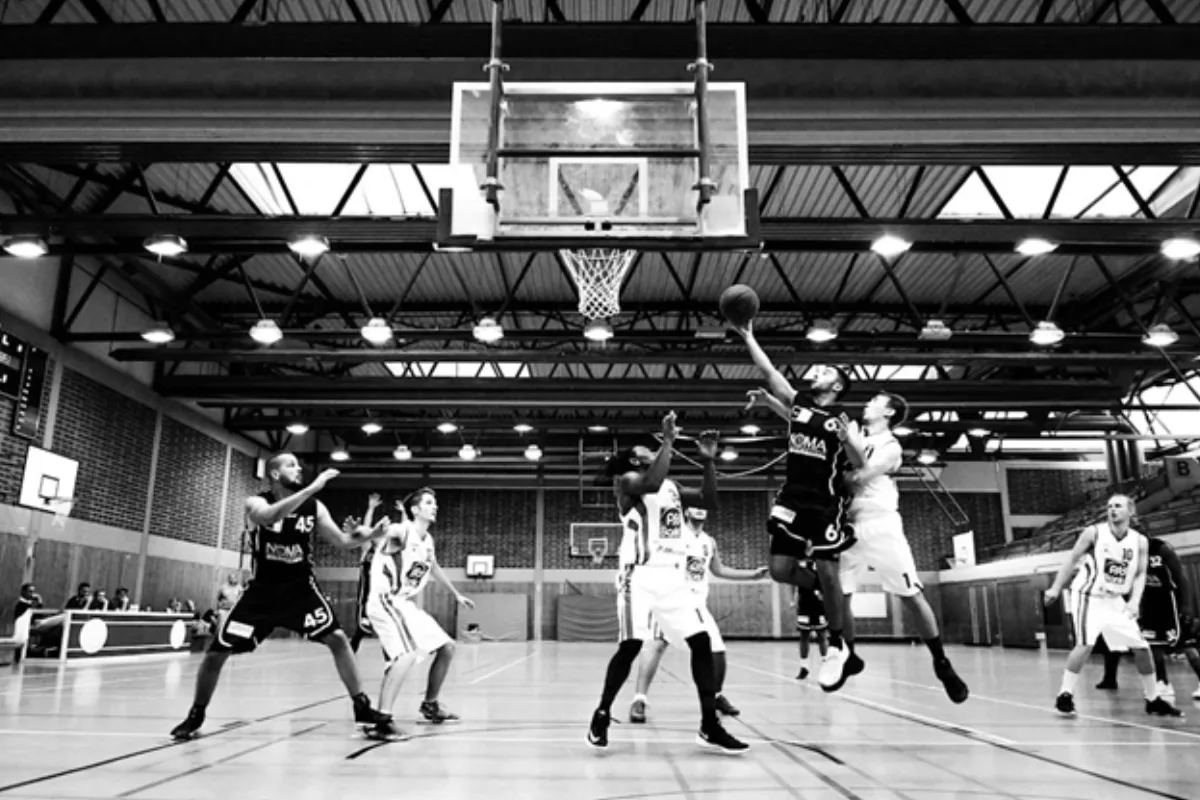
Measuring it with the countermovement jump
The countermovement jump puts numbers on force absorption. It captures jump height, ground contact time, and landing stability, which tell you whether an athlete lands too stiff, favors one side, or lacks muscle engagement. Those findings point to specific interventions rather than generic strength work.
The payoff runs past injury prevention. An athlete who absorbs force well transitions faster into the next sprint, cut, or jump, so refined landing mechanics show up as speed and agility on the field.
Running the assessment without a lab
These assessments used to require high-speed cameras and force plates. Demotu runs a countermovement jump assessment with AI-driven motion tracking from a phone, returning feedback on knee angles, foot placement, and impact forces in real time so coaches can correct landings on the spot.

That puts landing assessment within reach of trainers, gym owners, and individual athletes who lack an elite team's biomechanics budget.