
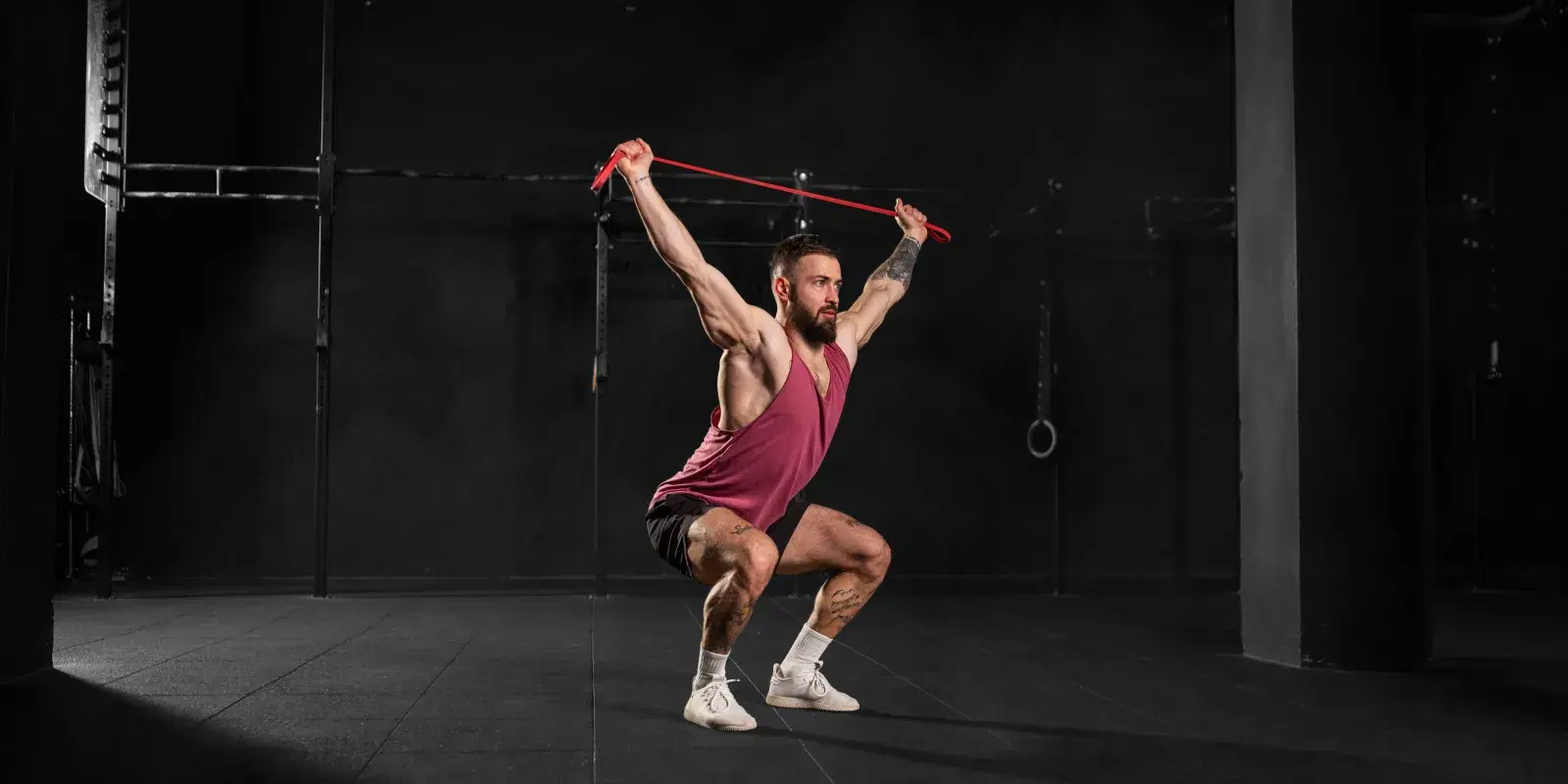
The overhead squat packs mobility, stability, and motor control into a single screen. One rep shows how well an athlete generates force, stabilizes under load, and holds joint alignment, which makes it one of the most complete movement assessments a coach can run.
What the assessment measures
The key data points sit at specific joints:
- Ankle dorsiflexion
- Knee valgus or varus tendencies
- Hip depth
- Lumbar stability
These patterns underpin sprinting, jumping, weightlifting, and rotational power. A restriction or compensation in any of them produces inefficient biomechanics and raises the likelihood of injuries such as ACL tears, Achilles tendon strains, and lower back pain.
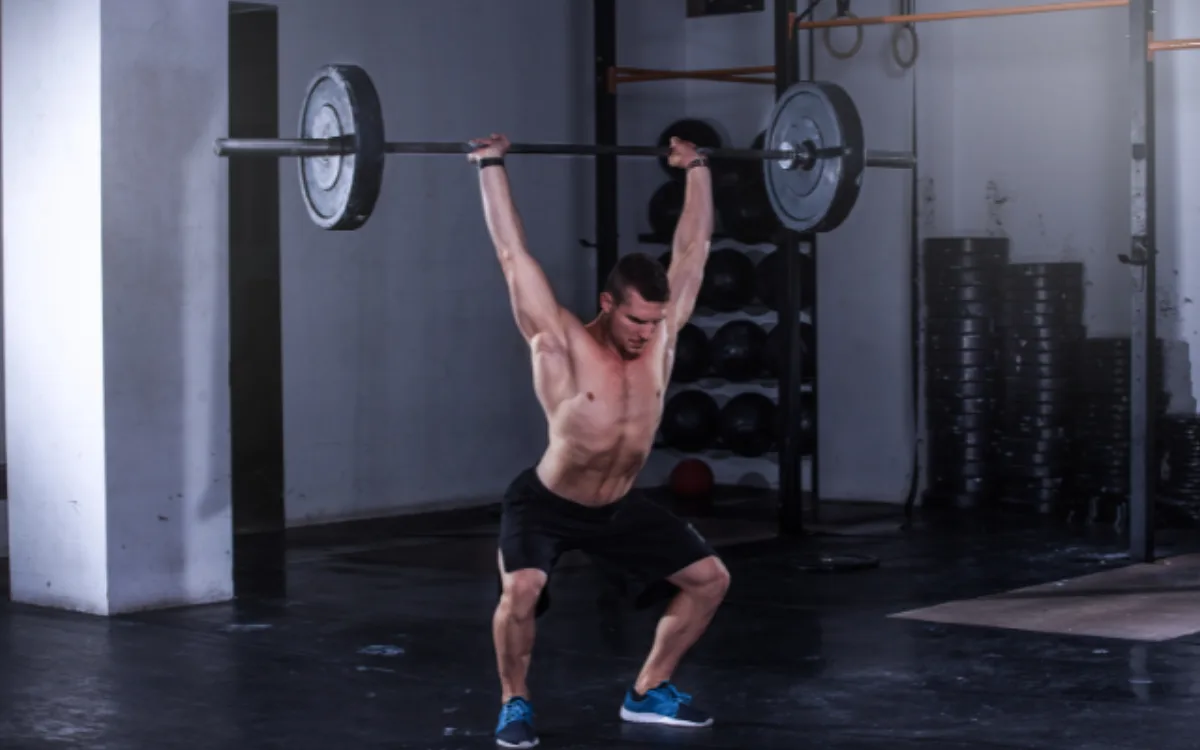
From metric to correction
Each finding points to a corrective strategy. Excessive forward trunk lean can indicate core weakness, limited ankle mobility, or tight hip flexors. Knee valgus shifts the program toward glute activation, knee stability, and foot positioning. Correcting these impairments closes energy leaks during competition and cuts the odds of non-contact injury.
The same data drives sport-specific decisions. A football player who struggles with agility and lateral quickness may have limited ankle dorsiflexion restricting his ability to cut. A weightlifter with poor shoulder mobility may need thoracic spine work to hold overhead positions in Olympic lifts.
Measuring it in Demotu
Coaches have run this screen by eye for decades, and eyes miss things. Demotu captures the overhead squat on a phone camera and returns joint angles, mobility restrictions, and compensation patterns as quantified metrics, including movement symmetry and joint range of motion.
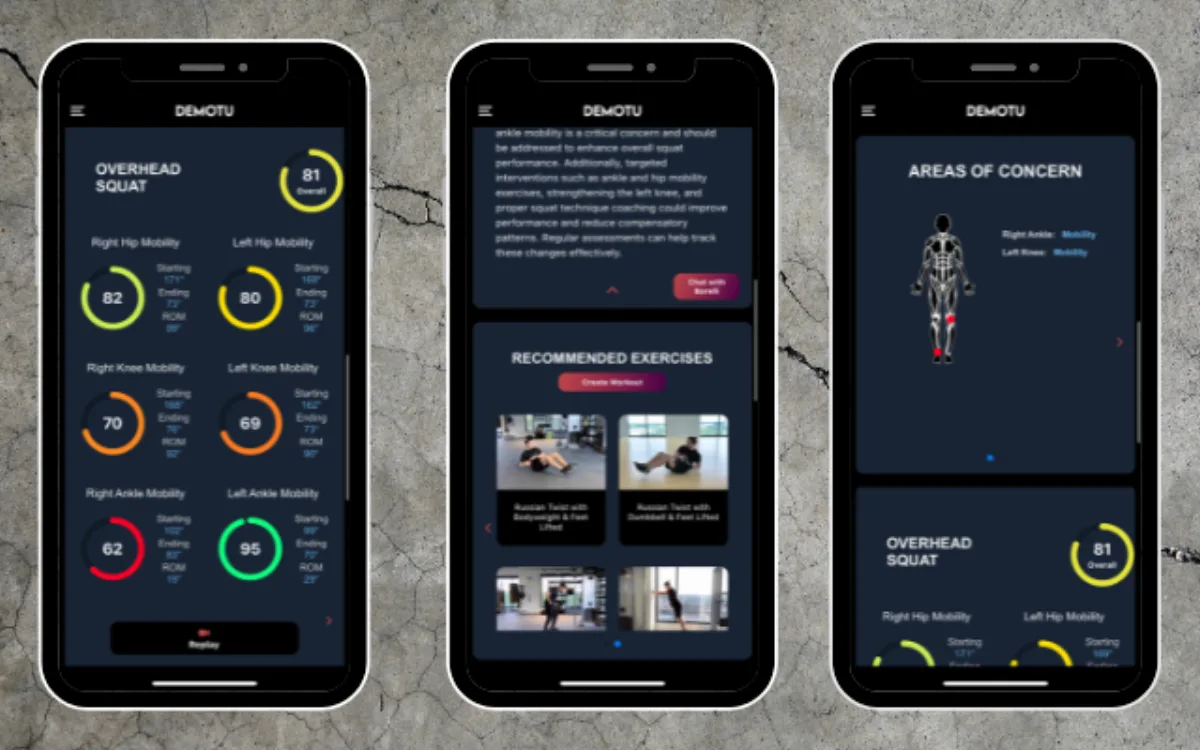
Retest over time and the numbers show whether corrective work is landing, so you adjust programs from measured progress instead of guesswork.