
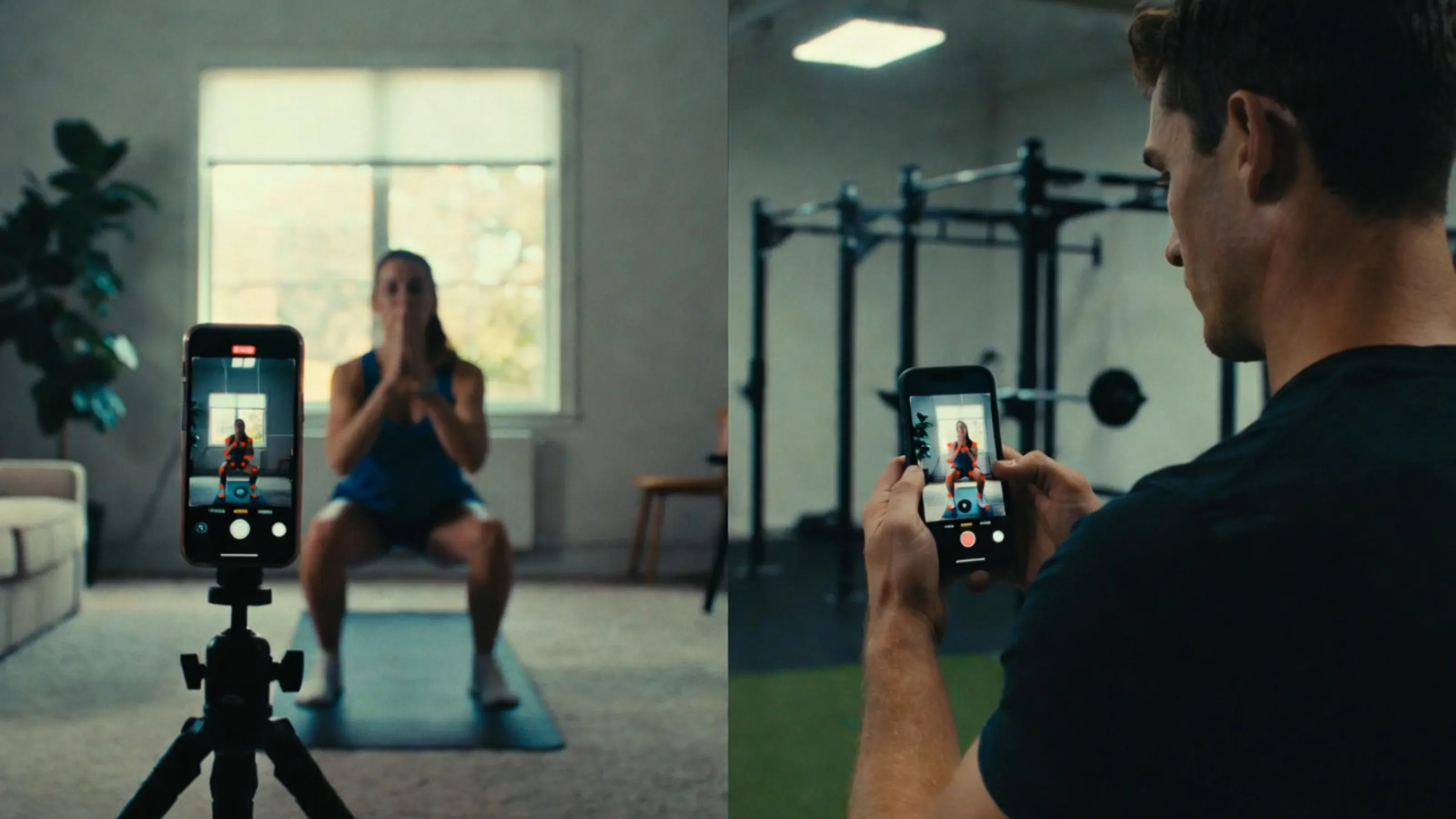
A personal training consultation is the first meeting between a trainer and a prospective client. In 30 to 60 minutes you learn their goals and history, screen them for safety, assess how they move, and recommend a plan. Done well, it is where most clients decide to sign. Done badly, it feels like a sales pitch, and they leave "to think about it."
This guide walks through the six steps of a consultation that works, the questions to ask, and the mistakes that cost trainers clients.
What a consultation should accomplish
By the end of the meeting, you and the prospect should both know four things:
- What they want. A specific goal and why it matters to them.
- Whether they are safe to train. Any health risks, injuries or medications that change what you do.
- Where they are starting from. How they move today, measured or at least observed, not guessed.
- What you recommend. How often to train, what to focus on first, and which package fits.
If any of those is missing, the prospect has no clear reason to start, and you have no clear plan if they do.
Before the consultation
- Send the intake form ahead. Health screening and basic history can be filled in before they arrive, which leaves the meeting for conversation and assessment.
- Block 45 to 60 minutes. Enough for the conversation and a short movement assessment without rushing.
- Set expectations. Tell them what will happen: a conversation, a few simple movement tests, and a recommendation at the end.
How to run a personal training consultation, step by step
1. Start with their goals
Spend the first 10 to 15 minutes listening. Ask open questions and dig past the first answer. "Lose weight" becomes "fit into my suit for my daughter's wedding in June." That second answer is what you will build the plan around, and what keeps them training in month three.
2. Screen their health
Before anyone exercises, run a health screening. Most trainers use the PAR-Q+ (the current version of the Physical Activity Readiness Questionnaire). It opens with seven yes/no questions covering heart conditions and blood pressure, chest pain, dizziness or loss of balance, other chronic conditions, medications, bone and joint problems, and whether a doctor has said they should only exercise under medical supervision. A "yes" means follow-up questions and, in some cases, medical clearance before training.
Add questions about past injuries, surgeries and current pain. Have the client sign the screening and keep it on file.
3. Assess how they move
A short movement assessment turns the conversation into something concrete. The overhead squat assessment is the most common choice because it shows mobility limits and compensations across the whole body in one movement. Add one or two tests that fit their goals, such as a single-leg balance test for a runner or a countermovement jump for an athlete.
Keep it short. The point is a baseline and a talking point, not a full evaluation.
4. Review the results together
This is the most important step and the one most trainers skip. Show the prospect what you found, in plain language: "Your left ankle doesn't bend as far as your right, so your weight shifts to the right when you squat. That's likely why your right knee gets sore on runs."
People commit to fixing a problem they can see. A result they watched happen is far more convincing than a trainer's opinion.
5. Recommend a plan
Connect what you found to what they want: how many sessions a week, what the first four to eight weeks will focus on, and what progress should look like. Then present the package that fits, with one clear recommendation rather than a menu of six options.
Tie the recommendation to the results, not to your sales targets. "Your ankle mobility and left-side strength need work, so I'd start with three sessions a week for eight weeks" is a plan. "Our most popular package is the 12-pack" is a pitch.
6. Ask for the commitment
Ask directly: "Does this plan make sense for you? Want to get your first sessions on the calendar?" If they hesitate, ask what's holding them back, and answer that specific concern. Common ones are price, schedule and doubt that it will work. The assessment answers the third one for you.
When they say yes, book the first sessions before they leave and explain what happens next.
Personal training consultation questions: a checklist you can copy
Goals
- What made you reach out now?
- What do you want to achieve in the next 3 months? In 12 months?
- Why does that matter to you?
- What have you tried before, and what got in the way?
Health and injury history (alongside the PAR-Q+)
- Any current pain, past injuries or surgeries?
- Any medical conditions or medications I should know about?
- Has a doctor ever limited the exercise you can do?
Training and activity
- What does a typical week of activity look like for you right now?
- Have you worked with a trainer before? What did and didn't you like?
- Any exercises you love or want to avoid?
Lifestyle
- How many hours do you usually sleep?
- How would you describe your stress and energy levels?
- What does a typical day of eating look like?
Logistics
- How many days a week can you realistically train?
- What times work best?
- Are you looking for in-person, online or a mix?
Common consultation mistakes
- Talking more than listening. If you talk for most of the first 15 minutes, you don't know enough to recommend anything.
- Skipping the health screening. It protects the client and you, and it is required at many gyms and by many insurers.
- No assessment, or no explanation of it. Running tests without walking through the results wastes the most persuasive part of the meeting.
- Too many package options. A long menu feels like a sales pitch. One clear recommendation feels like expertise.
- Letting them leave without a next step. "Think about it" usually means no. If they need time, book a follow-up call before they go.
Running consultations with Demotu
Demotu's Smart Consultation runs this whole flow on a phone or tablet:
- Health screening. A digital PAR-Q and health screening with an electronic signature, stored in the client's profile. You can edit the questions and add your own.
- Movement assessment. A guided assessment captured with the phone camera, with 3D analysis of mobility, joint imbalances and stability in under a minute.
- Package recommendation. Demotu reads the assessment, the screening and the client's goals, then recommends how often to train, what to focus on and which of your packages fits: monthly, session bundles, small group or hybrid, priced monthly, paid in full or per session. It also drafts selling points for the client, tied to their own results. Everything is a draft you review and edit before presenting, and it can generate a sample workout too.
- Follow-up. The consultation summary, signed documents and next steps go to the client automatically.
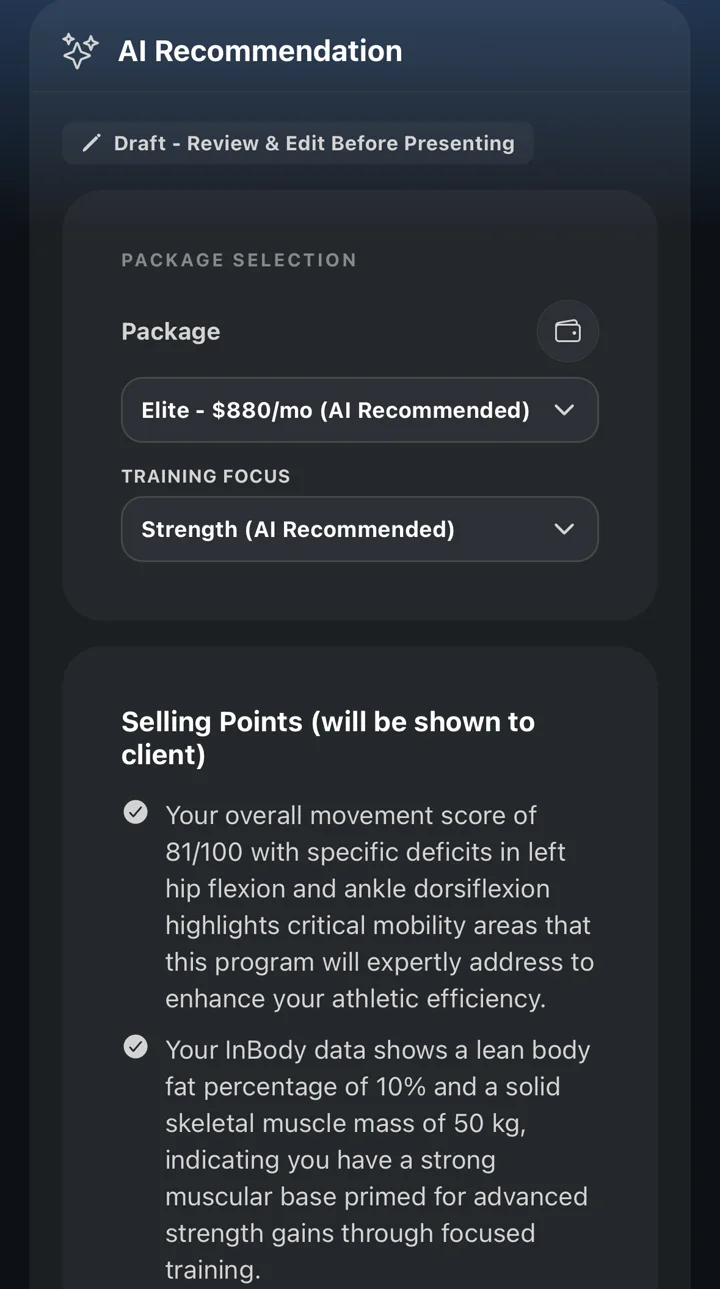
The prospect sees their own movement data during the meeting, and the package recommendation comes straight from it. That takes most of the awkwardness out of selling: instead of pitching, you're explaining what their results call for. That's steps 3, 4 and 5 done in a few minutes.
See it in action: start a free 7-day trial or book a demo and we'll walk you through a consultation.
Frequently asked questions
How long should a personal training consultation be?
Plan for 45 to 60 minutes: about 15 for goals and history, 5 to 10 for health screening, 10 to 15 for a movement assessment, and the rest for reviewing results and recommending a plan. Sending the intake form ahead saves time.
Should personal training consultations be free?
Most trainers and gyms offer the first consultation free because it is how clients decide to sign. Some charge a small fee for a full assessment and credit it toward a package. Either works if the consultation clearly delivers value.
What forms do I need for a personal training consultation?
At minimum, a health screening questionnaire such as the PAR-Q+, an intake form covering goals and history, and a signed liability waiver. Check what your gym and insurer require.
What is the difference between a consultation and an assessment?
The assessment is one part of the consultation. The consultation covers goals, health screening, the assessment and the recommendation. The assessment is the movement and fitness testing in the middle.
How do I close more personal training consultations?
Listen more than you talk, show prospects their own assessment results, and make one clear recommendation tied to their goal. Then ask for the commitment and book the first sessions before they leave.